


 INA
INA
Sjögren’s Syndrome: Causes, Symptoms, and Treatment
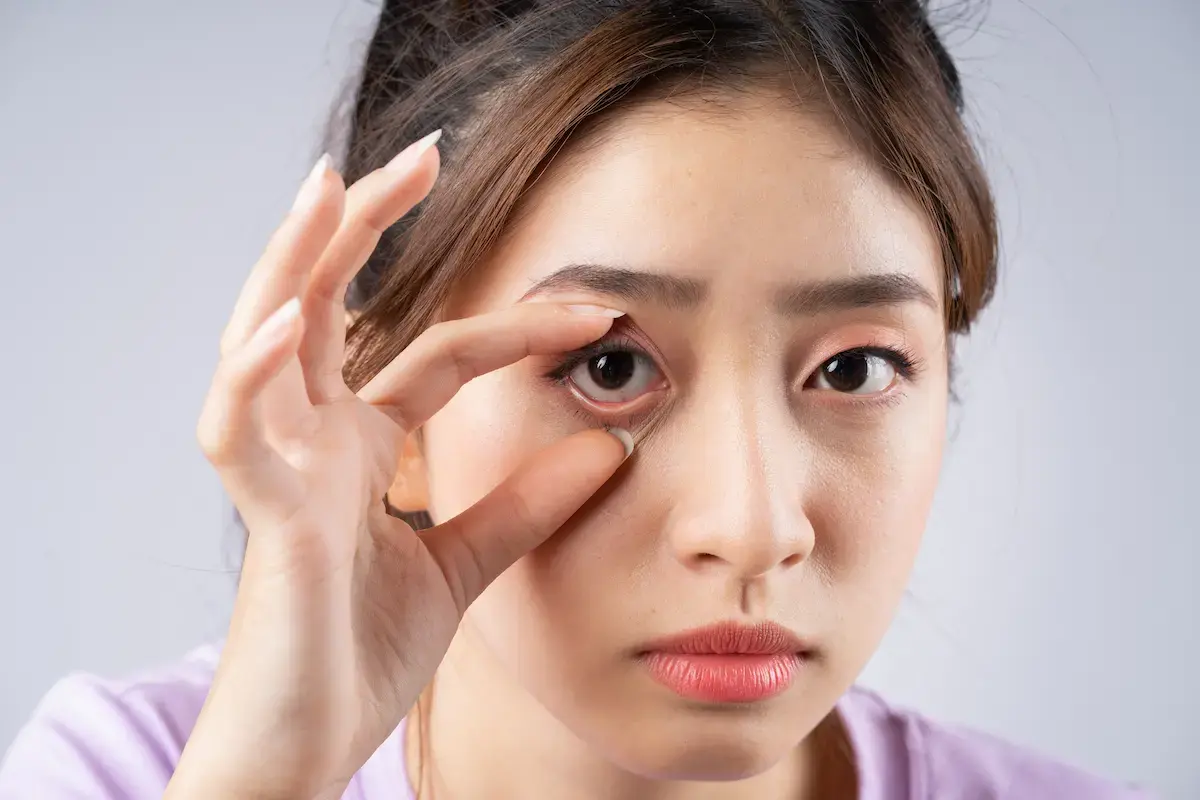
Sjögren’s syndrome is an autoimmune condition in which the immune system attacks the glands that produce tears and saliva. As a result, patients often experience chronic (long-term) dryness, particularly in the eyes, which can interfere with daily comfort and quality of life.
This condition often develops gradually, and its symptoms are frequently dismissed as minor. However, without proper treatment, Sjögren’s syndrome can lead to serious complications. Therefore, it is important to understand what this disease entails by recognizing the warning signs of Sjögren's syndrome and managing it early.
What Is Sjögren’s Syndrome?
Sjögren’s syndrome is an autoimmune disease in which white blood cells attack healthy tissue, particularly fluid-producing glands. The immune system, which is supposed to protect the body, instead damages the tear glands and salivary glands.
Due to this immune system dysfunction, the tear production and saliva decrease, causing the eyes and mouth to become dry. This is why dry eyes are the most common symptom of this condition.
Sjögren’s syndrome is fairly common and can be detected during routine eye exams. About 9 out of 10 people with the condition are women aged 40–60, although it can also occur in men of all ages.
Causes of Sjögren’s Syndrome
The exact cause of Sjögren’s syndrome is not yet fully understood. However, this condition results from an autoimmune disorder in which the immune system attacks the body’s own tissues. The syndrome is divided into two main types:
- Primary Sjögren’s syndrome. It occurs without a clear cause or trigger.
- Secondary Sjögren’s syndrome. Triggered by other conditions, particularly autoimmune diseases.
In addition, several diseases can trigger the onset of Sjögren’s syndrome, including:
- Rheumatoid arthritis.
- Psoriatic arthritis.
- Lupus.
Viral infections can also trigger the onset of Sjögren’s syndrome in patients, such as:
- Hepatitis C.
- Cytomegalovirus (CMV).
- Epstein-Barr virus.
- HTLV-1.
- COVID-19.
Understanding these causes is important for helping you become more aware of risk factors and take appropriate preventive measures.
Symptoms of Sjögren’s Syndrome
Symptoms of Sjögren’s syndrome can vary from person to person, but they are generally associated with dryness in the eyes and mouth. Here are some common eye symptoms of Sjögren’s syndrome:
- Extremely dry eyes that feel sore. This is the most common symptom due to reduced tear production.
- A gritty or foreign body sensation.
- A burning or stinging sensation in the eyes. This is caused by chronic irritation of the eye’s surface.
- Blurred vision. This is usually temporary and improves after blinking or using eye drops.
- Light sensitivity (photophobia). The eyes become more easily dazzled, especially in bright light.
- Red eyes caused by conjunctivitis. This occurs due to inflammation of the eye’s surface.
- Difficulty wearing contact lenses. This is because the eyes are not moist enough.
Dry eyes in Sjögren’s syndrome occur because the lacrimal glands are the primary target of the immune system. This causes a drastic reduction in tear production, leading to chronic irritation.
Instability of the tear film can also cause blurred vision. Light entering the eye is not focused properly, so vision appears unclear.
Additionally, many patients experience heightened sensitivity to light. This condition makes outdoor activities or being in brightly lit areas uncomfortable.
Besides eye symptoms, Sjögren’s syndrome can also cause several conditions in other body parts, such as:
- Joint pain.
- Muscle pain.
- Difficulty swallowing.
- Diminished sense of taste.
- Skin rashes.
- Swollen lymph nodes.
- Heartburn.
- Nerve pain.
- Tooth decay or tooth loss.
Sjögren's Syndrome Complications
Is Sjögren's syndrome serious? If left untreated, Sjögren’s syndrome can lead to more serious complications, such as:
- Corneal damage.
- Eye infections.
- Eye sores or ulcers.
This condition occurs because the eye surface does not receive sufficient lubrication. Additionally, other symptoms may appear simultaneously and develop gradually, such as:
- Dry mouth.
- Joint pain.
- Fatigue.
Sjögren’s Syndrome Diagnosis
The diagnosis of Sjögren’s syndrome involves several stages of evaluation to confirm the condition. Here is a brief overview:
1. Medical History and Initial Examination
The doctor conducts a medical interview to identify the patient’s symptoms. This information is crucial for guiding further diagnosis.
2. Eye Examination
To examine the patient’s eyes, several common tests are performed to help the doctor assess the severity of dry eye, including:
- The Schirmer test measures tear production.
- Staining tests to evaluate the condition of the eye’s surface.
- Examination of the Meibomian glands in the eyelids.
3. Additional Tests
To confirm the diagnosis, the doctor may also perform additional tests, such as:
- Saliva tests to measure saliva production
- Lip gland biopsy.
- Blood tests to detect antibodies.
If necessary, the doctor will refer you to a rheumatologist who specializes in Sjögren’s syndrome for further management.
Sjögren’s Syndrome Treatment Options
Sjögren’s syndrome treatment aims to relieve symptoms and prevent long-term complications. Here are the common medical and self-care treatments to choose from:
1. Medical Treatment
Common methods used for medical treatment of Sjögren’s syndrome include:
- Artificial tears.
- Eye ointment to maintain moisture.
- Anti-inflammatory medication.
- Medication to manage autoimmune diseases.
If there is a Meibomian gland disorder, the doctor will prescribe specific therapy to improve tear quality.
2. Self-Care for Sjögren’s Syndrome
In addition to medical treatment, self-care for Sjögren’s syndrome is important to help reduce symptoms. Some steps to take include:
- Drink enough water every day.
- Use a humidifier in dry rooms.
- Avoid direct exposure to wind.
- Use eye drops as prescribed by your doctor.
These steps are taken to maintain optimal eye moisture.
Nutrition and Sjögren’s Syndrome
Diet plays a key role in managing symptoms and supporting treatment for Sjögren’s syndrome. Here are some recommended foods to treat Sjögren’s syndrome:
- Green vegetables.
- Fruits.
- Fatty fish (omega-3).
- Nuts.
- Turmeric, ginger, and garlic.
- Olive oil and avocados.
All these foods are important because they have anti-inflammatory properties that can help reduce inflammation.
On the other hand, there are some foods that people with Sjögren’s syndrome should limit, which are:
- Processed foods.
- Fried foods.
- Excess sugar.
- Soda.
- Alcohol.
- Gluten and some dairy products.
However, everyone may react differently, so it is important to pay attention to your body’s response when eating foods related to Sjögren’s syndrome.
To help alleviate the symptoms of dry mouth, here are some ways to make eating more comfortable:
- Eat foods with broth, such as soup.
- Add sauce to make swallowing easier.
- Choose smoothies as an alternative.
- Drink fluids while eating.
- Soften food with broth.
That concludes the explanation of Sjögren’s syndrome, which is closely associated with dry eyes. If you or a family member has concerns about this condition, use the Dry Eye service by JEC Eye Hospitals and Clinics, which offers a comprehensive solution for those experiencing Sjögren’s syndrome symptoms, particularly dry eyes.
With modern technologies such as the Schirmer test, TBUT, Tearscope, and TearLab osmometer, diagnosis can be performed accurately and comprehensively. JEC also offers various treatment methods, ranging from artificial tears and anti-inflammatory medications to autologous serum and IPL therapy.
If you experience symptoms suggestive of Sjögren’s syndrome, consult JEC Eye Hospitals and Clinics immediately to receive an accurate diagnosis and appropriate treatment from experienced medical professionals.
