


 INA
INA
What Is the Eye Pupil? How Its Role Plays in Eyesight
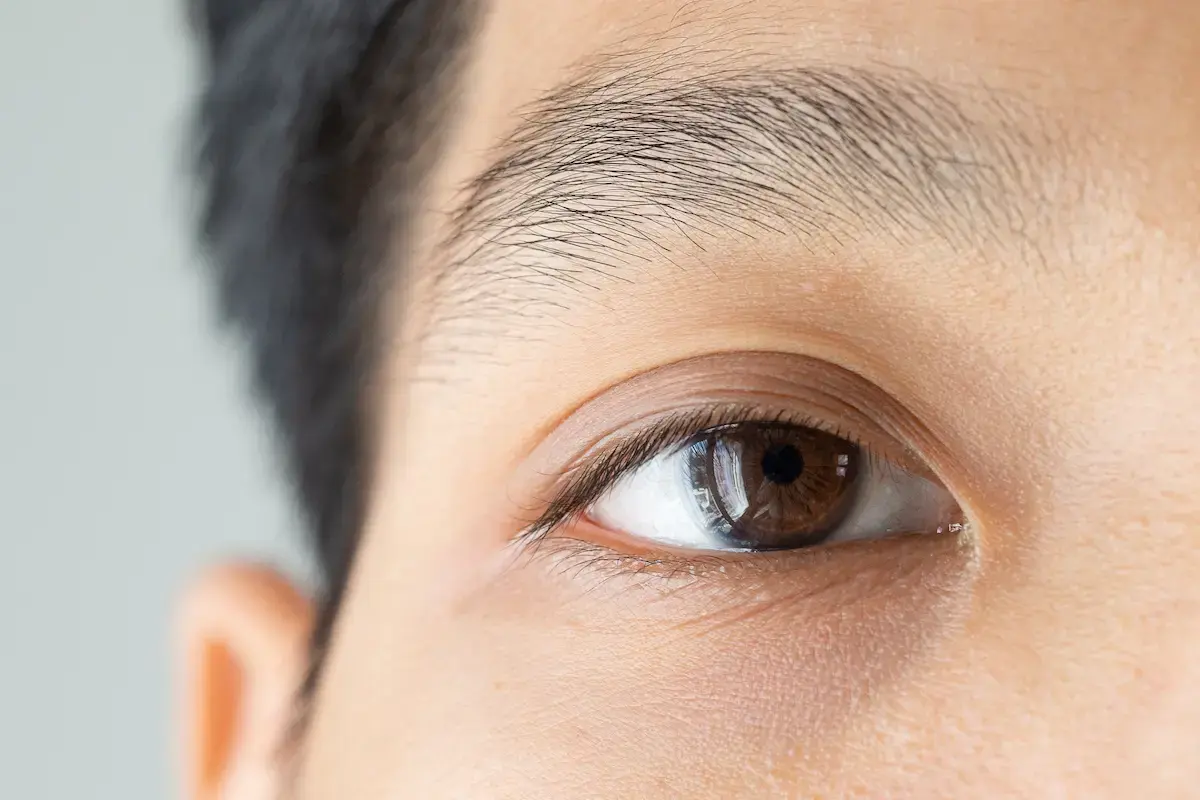
The pupil is a small but vital part, as it regulates the amount of light entering the eye. This part of the eye is also closely related to your ability to see clearly in various conditions, whether bright or dark.
Many people also look up what the pupil is to better understand its function. Without optimal pupil function, the light entering the eye would not be properly controlled, which could interfere with the quality of your everyday vision.
What Is the Eye Pupil?
The eye pupil is a black opening located in the center of the iris, the colored part of the eye. So, why is the pupil important? It plays a key role in vision by regulating the amount of light that enters the eye.
Although it appears small, the pupil has an essential role in the visual system because the pupil’s function is to control how much light enters the eye. The pupil can enlarge (dilate) and shrink (constrict) automatically depending on the surrounding light conditions.
In bright environments, the pupil constricts to limit the amount of light entering the eye. Conversely, in dark conditions, the pupil dilates to allow more light in so you can continue to see optimally.
The pupil is an important part that works together with the lens and retina to help you see clearly. Light that enters through the pupil is focused by the lens onto the retina, then converted into electrical signals and sent to the brain for interpretation as images.
The pupil is also controlled by the dilator muscle, which enlarges the pupil, and the sphincter muscle, which constricts it. In addition, the pupil serves as a pathway for the flow of eye fluid (aqueous humor), which helps maintain proper nutrition and balanced pressure within the eye.
In addition to its important functions, the pupil is protected by the cornea and conjunctiva, which help shield the eye from dust, debris, and infection.
Pupil Anatomy
The pupil appears as a black circle in the center of the eye. This black color occurs because most of the light entering the eye is absorbed rather than reflected back out.
However, under certain conditions, such as when a photo is taken with a flash, you may notice a red-eye effect. This happens because light reflects off the blood vessels in the retina and exits again through the pupil.
Anatomically, the pupil is connected to a complex nervous system. These nerves link the eye to the brain via afferent (eye-to-brain) and efferent (brain-to-eye) pathways. This system allows the pupil to respond quickly and automatically to light and changes in focus.
Pupil Size
Pupil size can vary from person to person and is affected by age and lighting conditions. In adults, pupil size generally ranges from about 1.5 mm when constricted to around 8 mm when dilated. Below are the average variations in pupil size by age:
- Ages 1–2 years: around 4.8 mm.
- Ages 4–5 years: around 5.3 mm.
- Ages 10–11 years: around 5.8 mm.
- Ages 15–16 years: around 6.0 mm.
- Ages 21–25 years: around 6.36 mm.
- Ages 25–43 years: around 5.83 mm.
- Ages 43–52 years: around 5.47 mm.
- Over 52 years: around 4.97 mm.
Pupil size typically peaks in the early 20s, then gradually decreases with age. This is a natural process that occurs in the body.
However, if you notice a difference in pupil size between the right and left eyes or if the pupil does not respond to light, it is best to have the condition checked by an eye doctor as soon as possible.
Pupil Function Test
Pupil examination is an important part of a routine eye exam. Through this test, the doctor assesses how the pupil responds to light and adjusts focus to ensure that the nerves and eyes are functioning properly.
One common method is to shine a small flashlight into the eye in a dim room. The doctor observes the pupil’s response in the eye being directly exposed to light (direct response) and in the other eye (indirect response).
In addition, there is also the “swinging flashlight test” to detect certain nerve disorders. One commonly used acronym in pupil physical examination is PERRLA (Pupils Equal, Round, Reactive to Light, and Accommodating), which includes the assessment of:
- Position of the pupil.
- Equality in the size of both pupils.
- Shape of the pupil (perfectly round).
- Response to light.
- Ability to adjust when viewing near and distant objects.
In some cases, doctors use specialized tools, such as a pupillometer, to measure pupil size more accurately.
How to Keep Pupils Healthy
Maintaining healthy pupils is important to keep vision functioning optimally. Here are some steps you can take:
- Avoid smoking habits to reduce the risk of eye disorders.
- Consume nutritious foods, such as green vegetables like spinach, fruits, and fatty fish such as salmon and tuna.
- Maintain proper hydration by drinking enough water every day.
- Exercise regularly for at least 30 minutes per day to support overall body and eye health.
- Use eye protection, such as sunglasses when outdoors or safety glasses when working.
- Maintain hygiene when using contact lenses and follow proper usage guidelines.
- Apply the 20-20-20 rule, that is, to look at an object 20 feet away for 20 seconds every 20 minutes.
- Have regular eye check-ups, especially if you have conditions such as diabetes or glaucoma.
That concludes the information on the eye pupil that you need to know. If you experience any complaints related to the pupil or other parts of the eye, you can use the Teleophthalmology service at JEC Eye Hospitals and Clinics.
This service allows you to consult directly with an ophthalmologist via video call. In addition, consultations are also available with internists and psychologists, as well as hybrid services that combine online and in-person consultations at various branches.
You can even have medication delivered directly to your home. With this convenience, there is no need to delay addressing your eye health.
