


 INA

What Is Chorioretinitis? Here’s The Complete Guide
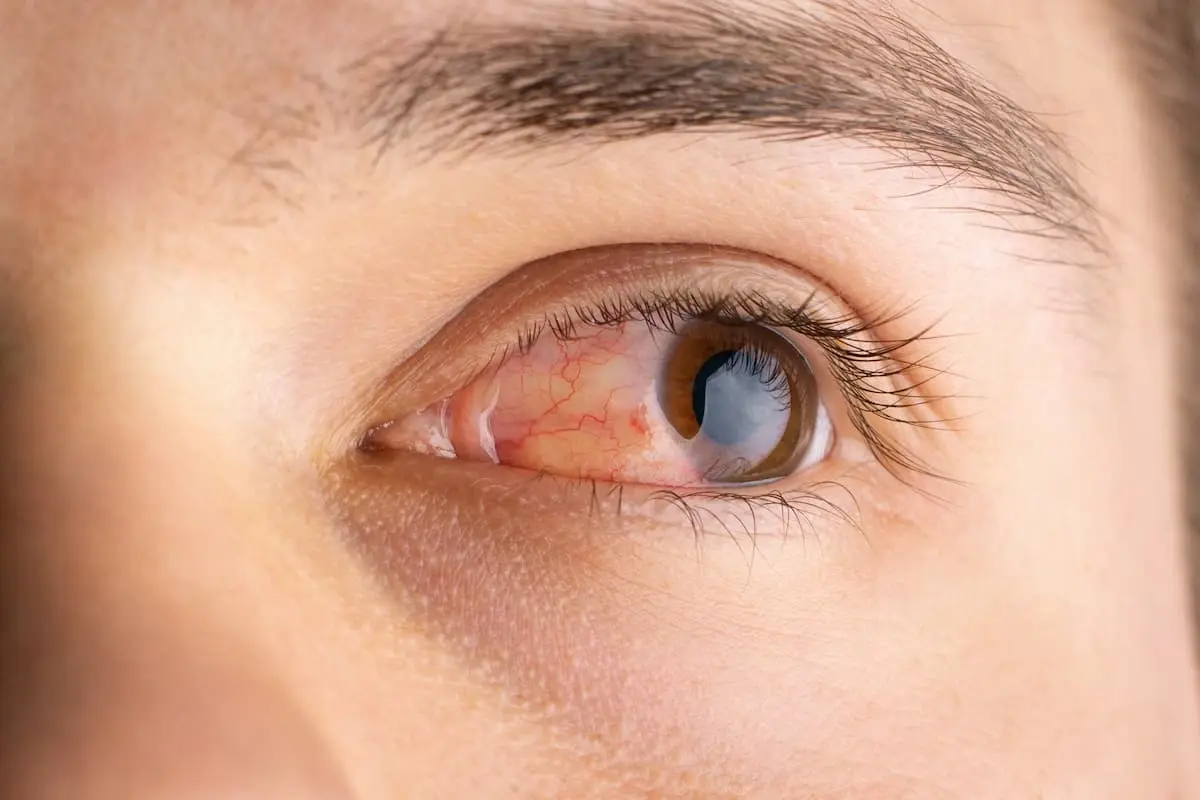
Chorioretinitis is an inflammation of the retina and choroid, two important structures located at the back of the eye that play a vital role in vision. This condition can cause gradual vision loss and often presents with symptoms that go unnoticed in the early stages.
Both infectious and non-infectious conditions can cause inflammation of the retina and choroid, which carries the risk of serious complications if not treated promptly.
Therefore, you need to understand the causes, symptoms, diagnosis, and treatment of this condition in the following article.
What Is Chorioretinitis?
Chorioretinitis is inflammation that occurs in the retina and choroid. The retina is a layer of nerve cells that captures light and sends visual signals to the brain, while the choroid is a layer rich in blood vessels that supplies oxygen and nutrients to the retina through these vessels.
Because these two structures are closely interconnected, inflammation in one often involves the other. Chorioretinitis is a type of posterior uveitis, which is inflammation occurring in the back of the eye.
Chorioretinitis Causes
Chorioretinitis can result from both infectious and non-infectious conditions. Here are some of the most common causes of chorioretinitis:
Infectious Causes
Microorganisms that can cause chorioretinitis include:
- Toxoplasma gondii (toxoplasmosis).
- Cytomegalovirus (CMV).
- Mycobacterium tuberculosis (TB).
- Treponema pallidum (syphilis).
- Fungal infections.
- Viral infections, such as Varicella-zoster virus (VZV), Zika virus, and Rubella virus.
Non-infectious Causes
Besides infections, some non-infectious conditions can also trigger chorioretinitis. Here are a few of them:
- Autoimmune and systemic inflammatory diseases.
- Sarcoidosis
- Behçet’s disease
- Eye injury or trauma.
- Certain genetic disorders.
- Certain types of cancer, such as lymphoma or metastatic cancer.
Chorioretinitis Symptoms
Chorioretinitis symptoms can vary from person to person, depending on the severity of the inflammation and the part of the eye affected. Common symptoms of chorioretinitis include:
- Blurred or decreased vision.
- Floaters (spots or shadows floating in the field of vision)
- Increased sensitivity to light (photophobia).
- Seeing flashes of light.
- Difficulty distinguishing colors clearly.
In some cases, pain and redness may occur if the inflammation has spread to involve the front of the eye (panuveitis).
Chorioretinitis Diagnosis
To confirm the presence of chorioretinitis, an ophthalmologist will first take a medical history interview to assess the patient’s symptoms, medical history, and potential risk factors for infection or underlying conditions.
Following this, the doctor will perform a comprehensive eye examination to evaluate the retina and choroid and identify signs of inflammation in the posterior segment of the eye.
One of the key steps in the examination to diagnose chorioretinitis is a dilated eye exam. During this procedure, the doctor administers eye drops to dilate the pupils so that the back of the eye can be seen more clearly.
Additionally, other supplementary tests that may be performed include:
- Optical Coherence Tomography (OCT): To produce detailed images of the retinal layers and detect any swelling or tissue damage.
- Fluorescein angiography: To assess blood flow in the retina and detect leaks or abnormalities in the blood vessels.
- Indocyanine Green (ICG) angiography: Used to evaluate the condition of blood vessels in the choroid.
- Laboratory tests: Blood tests may be performed to identify systemic infections causing chorioretinitis.
Chorioretinitis Complications
Untreated symptoms of chorioretinitis can lead to various eye complications, such as cataracts, glaucoma, choroidal neovascularization (abnormal blood vessel growth), optic neuropathy, and retinal detachment. The risk of complications generally increases if the inflammation persists for a long time or has already damaged the retina and choroid.
Chorioretinitis Treatment
If chorioretinitis occurs due to an infection, treatment will be tailored to the specific type of infection, such as:
- Antibiotics for bacterial infections.
- Antiviral medications for viral infections.
- Antifungal medications for fungal infections.
- Antiparasitic medications for parasitic infections.
Additionally, doctors may prescribe corticosteroids to help reduce inflammation in the retina and choroid. The use of these medications is closely monitored because prolonged use may increase the risk of side effects.
This concludes the explanation of chorioretinitis, covering its causes, symptoms, diagnosis, and treatment. This condition should not be ignored, as inflammation of the retina and choroid can affect vision quality and even lead to permanent vision loss if not treated promptly.
If you experience symptoms such as blurred vision, floaters, light sensitivity, or other complaints suggestive of chorioretinitis, consult an ophthalmologist immediately so the cause can be identified and treated as early as possible.
For a more comprehensive examination and treatment, you can utilize the Vitreoretina services at JEC Eye Hospitals and Clinics. This service specializes in treating various disorders of the retina and the back of the eye, including chorioretinitis.
The entire diagnostic and treatment process at JEC Eye Hospitals and Clinics is supported by modern medical technology, ensuring thorough and tailored examinations for each patient’s condition.
