


 INA
INA
Bladeless LASIK: Definitions, Benefits, and Procedures
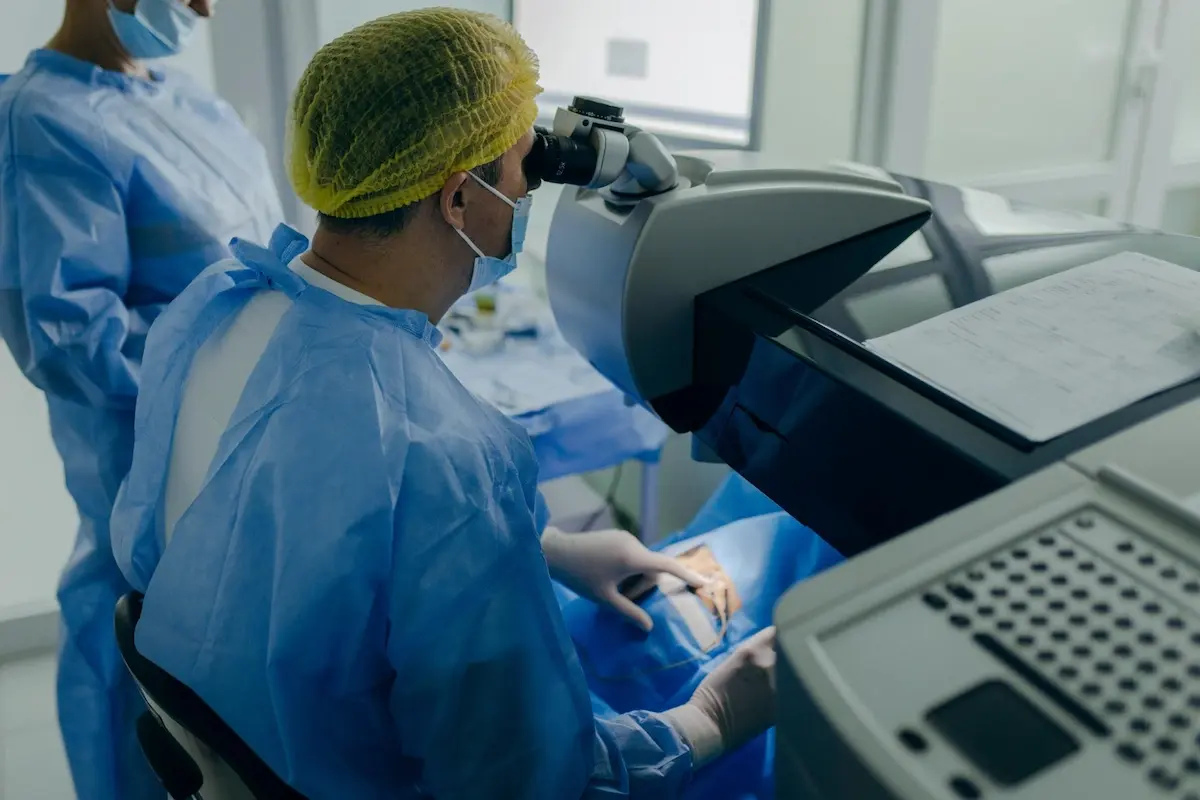
Bladeless LASIK is an innovation in vision correction that offers greater precision than conventional methods. Using femtosecond technology, this procedure is performed without a scalpel, allowing for a safer and more comfortable experience for the patient.
As ophthalmic technology advances, bladeless LASIK is becoming more popular as a solution for managing refractive disorders. How does this procedure actually work, and what are the benefits? Discover more about it in the article below.
What Is A Bladeless LASIK (Femtosecond Laser)?
Bladeless LASIK is an eye surgery method that corrects vision disorders, such as myopia, hypermetropia, and astigmatism, by using laser technology without using a scalpel. This procedure is also known as femtosecond LASIK because it uses a femtosecond laser.
In conventional LASIK, a thin layer of the cornea (flap) is created using microsurgical equipment (a microkeratome). On the other hand, in bladeless LASIK, the flap is created by using a femtosecond laser that works at high speed and precision. This technology enables greater control over flap thickness and shape.
Who is Suitable to Undergo Bladeless LASIK?
Bladeless LASIK surgery cannot be performed on all individuals. There are some common criteria that must be met for a safe and optimal procedure. Here are some instances:
- Being at least 18 years old. Eye conditions in adults are more stable than in children or adolescents.
- Having a stable vision. The size of the glasses or contact lens are not changed in the last year. Hormonal changes or certain medications can also affect visual stability, so their use must be carefully considered before undergoing the procedure.
- The body’s condition must support the recovery process. A strong ability to heal from scars is highly important for optimal corneal recovery post-procedure.
- Having sufficient cornea thickness. An excessively thin cornea may increase the risk of complications, which makes further evaluation by doctors before undergoing the procedure is required.
Overall, whether the patient meets the criteria for a bladeless LASIK procedure is not based on a single factor, as it involves a thorough examination by ophthalmologists. Therefore, consultation and early evaluation are highly crucial before deciding to undergo this procedure.
Conditions That Are Not Suitable for Bladeless LASIK
Not everyone can undergo a bladeless LASIK procedure. In certain conditions, this procedure is better delayed or not recommended, as it may increase the risk of complications or lead to suboptimal results. Here are some conditions in which the patient is not recommended to undergo a bladeless LASIK:
- Severe dry eyes, that may disrupt the recovery.
- Excessively thin cornea or abnormal cornea shape, such as in the case of keratoconus.
- Infection or active inflammation in the eyes, such as blepharitis and uveitis. It is recommended to delay this procedure until the eyes become really healthy to prevent further infections.
- Uncontrolled glaucoma. High intraocular pressure may affect the safety of the procedure and visual outcomes.
- Diseases that impact scar healing, such as uncontrolled diabetes and autoimmune disorders. These conditions may slow the recovery of corneal tissues and increase the risk of complications.
- A history of eye surgery affecting corneal structure. Structural changes due to the previous procedure may heighten the risk during bladeless LASIK.
Benefits of Bladeless LASIK
Bladeless LASIK, which uses a femtosecond laser, offers several benefits that contribute to its popularity. These are not limited to comfort, as greater precision and more optimal results are also present.
Here are some benefits of bladeless LASIK:
- Prevision in the creation of the cornea flap. With the help of a laser, the flap’s thickness can be achieved more consistently, allowing for a more controlled procedure.
- Helping to reduce the risk of injury. Using a laser instead of a surgical scalpel helps minimize the risk of injury to the corneal surface, enabling a safer procedure.
- Reducing the possibility of new astigmatism from appearing post-procedure. More stable and precise flap creation can help maintain optimal cornea shape.
- Creating a thinner cornea flap. This way, doctors have greater flexibility to manage patients with higher degrees of nearsightedness more safely.
- A neat edge of the flap. A neater edge structure can help the flap adhere better after the procedure. This not only helps with recovery but also reduces the risk of flap movement post-procedure.
- A reduced risk of epithelial tissues growing towards the insides of the flap, which minimizes post-procedure complications.
- Mild pressure on the eyes during the procedure allows for greater comfort and reduces the risk of disruption.
In some situations, this procedure offers doctors greater flexibility. For instance, if the laser process is not yet perfect, the procedure may be continued or restarted more quickly. This also applies when there is a disruption during flap creation, in which the treatments are generally easier, and the procedure can be continued.
Procedures of Bladeless LASIK
Bladeless LASIK is performed with a modern laser and is generally quick. The entire procedure typically takes less than 30 minutes per eye. Here is the explanation:
- The patient is asked to lie down in a comfortable position under the laser equipment.
- To ensure that there is no pain during the procedure, the doctor will administer local anesthesia to the patient’s eye.
- Afterward, the eyelids will be kept open with a specific tool. The patient does not need to worry about blinking during the procedure.
- The doctor places a small ring on the eye to maintain stability.
- The cornea’s flap is created by using a femtosecond laser. This process lasts rapidly with high precision.
- After the flap is created, the doctor slowly opens it to access the inside of the cornea.
- Another type of laser (excimer) is used to reshape the cornea based on the patient’s vision needs. In this stage, the patient may hear a clicking sound and smell a particular odor, both of which are normal during the laser procedure.
- After the shaping of the cornea is finished, the flap is returned to the original position without requiring a suture. This layer sticks on its own over the recovery process.
After the procedure is complete, the patient is usually allowed to go home right away. However, it is recommended that the patient be accompanied by someone close because their vision may remain blurry for a short time.
Post-Procedure Recovery for Bladeless LASIK
Recovery after bladeless LASIK is generally rapid, but the patient still needs to pay attention to achieving optimal results. Doctors typically provide treatment guidelines that must be followed for the next few days to months post-procedure.
In the first 1–2 days, the eyes are protected with a protective measure to prevent friction or the habit of rubbing the eyes, which may disrupt the flap’s position. In this period, the patient is typically scheduled for a check-up to ensure that the eye condition and surgery results are within expectations.
To support recovery, here are some best practices:
- Use eye drops as suggested. Eye drops are used to help prevent infection and reduce inflammation during recovery.
- Avoid wearing contact lenses for a while: The vision may not be fully clear, and wearing them could delay corneal recovery.
- Limit eye product use: Cosmetics, creams, or lotions around the eyes are advised to be avoided for approximately two weeks to prevent irritation.
- Reduce intense and risky activities. Mild activities are generally allowed, but intense exercise and activities that may cause friction are advised to be postponed.
- Avoid water-related activity temporarily: Swimming or bathing in hot water is best avoided for 1–2 weeks to prevent the risk of infection.
- Pay attention to vision changes: Vision may change during the first few weeks and typically stabilizes within 3–6 months.
- Get regular check-ups with doctors: Regular examination to monitor the progress of the surgery and ensure there are no complications.
This concludes the explanation of bladeless LASIK, covering definitions, procedures, and recovery. By using a more precise femtosecond laser, this method offers greater comfort and safety when correcting vision disorders.
If you are considering undergoing this procedure, it is important to consult with ophthalmologists at JEC Eye Hospitals and Clinics. Through the LASIK service, you will receive an overall evaluation to determine whether you are a suitable candidate for this procedure.
JEC has adopted femtosecond technology and is known as one of the pioneers of its use in Indonesia, enabling more precise procedures with reduced risk and tailored to the patient’s needs. Let’s improve your vision by taking the correct steps for a more comfortable daily life.
