


 INA
INA
Isocoric Pupil: Understand Its Role in Medical Assessment
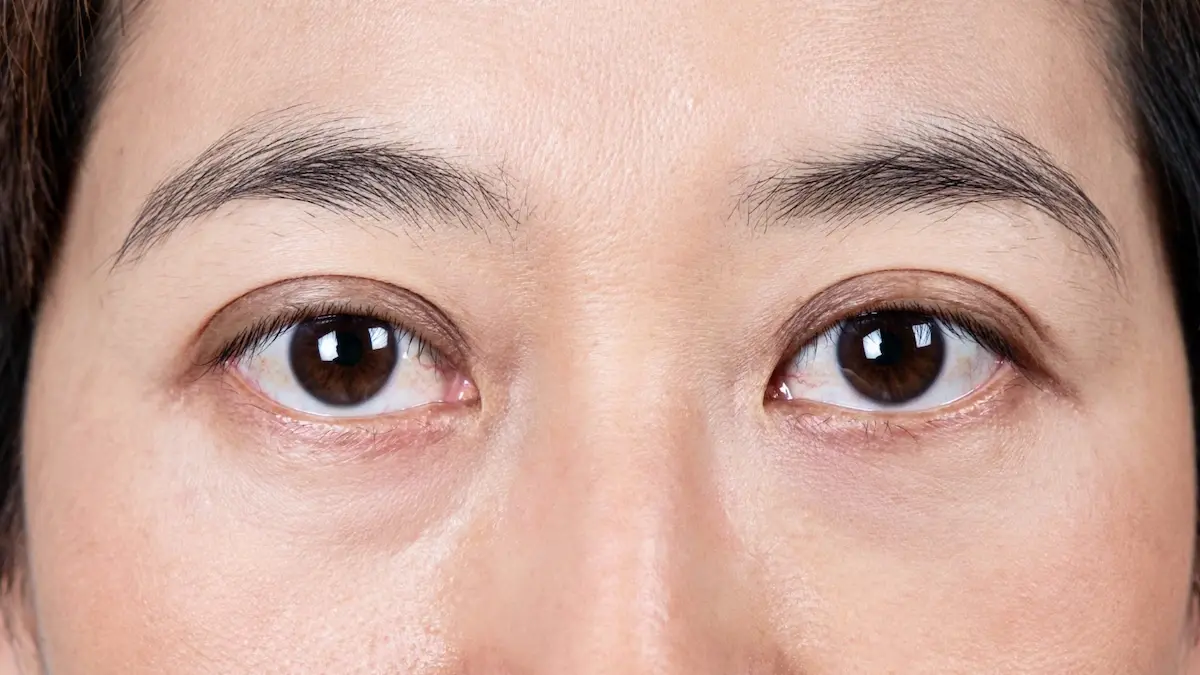
The pupil is an important part of the eye that regulates the amount of light entering the eye. Under normal conditions, the pupils in both eyes are usually the same size, a condition known as isocoria. This indicates that the nervous system controlling the pupil’s response is functioning properly and in balance.
Isocoria is a key indicator of overall health, including the brain, optic nerves, and the autonomic nervous system. For more detailed information about the meaning of the isocoric pupil, read the explanation below.
What Is Isocoric Pupil?
Isocoria is a medical term used to describe pupils that are the same size or symmetrical. This is a normal condition indicating that the nervous system regulating the pupil’s response, whether to light or other stimuli, is functioning properly.
Naturally, pupil size continuously adjusts to light intensity and visual focus. In isocoria, both pupils maintain a synchronized and balanced response, whether constricting or dilating. This synchronization serves as a key indicator that the neural pathways controlling the pupillary reflex are functioning optimally.
The Mechanism of the Pupillary Light Reflex
When light enters the eye, the body automatically causes the pupil to constrict, regulating the amount of light entering the eye. This is intended to protect the retina from excessive light exposure, which can interfere with visual function. This reaction is called the pupillary light reflex.
According to the National Library of Medicine (2023), here is a simple overview of how the light reflex occurs in the pupil:
- Light enters the eye: Light passes through the cornea and lens, then is focused onto the retina, the light-sensitive layer at the back of the eye.
- Signals are sent to the brain: Cells in the retina convert light into electrical signals, which are then transmitted via the optic nerve to the brain.
- The brain processes the signals: These signals are relayed to a specific area of the brain (the midbrain) that regulates the pupillary reflex.
- Commands are sent back to the eye: The brain sends signals via the oculomotor nerve to the iris muscles that control pupil size.
- The pupil constricts: The iris muscles contract, causing the pupil to shrink to limit the amount of light entering the eye.
The Importance of Isocoric Pupils in Medical Examinations
Isocoric pupils are one of the basic indicators assessed during neurological and eye examinations. This condition indicates that both pupils are the same size and respond equally to light. This signifies that the nervous system function is working properly.
In clinical practice, this evaluation is typically part of the PERRLA examination, which stands for Pupils Equal, Round, Reactive to Light and Accommodation, and is used to assess both eye health and the nervous system.
Isocoric pupils play a crucial role in providing an initial indication of a person’s neurological condition. This is because even minor changes in pupil size, symmetry, or reactivity often serve as early warning signs of brain dysfunction, even before other symptoms appear.
The Role of Pupil Examination in Monitoring Critical Conditions
In serious medical conditions, such as in the intensive care unit (ICU), pupil examination is the most fundamental method for monitoring a patient’s neurological status. One indicator of concern is whether the pupils remain isocoric.
According to the journal Current Medical Issues (2025), pupil examination helps medical staff detect early signs of worsening conditions, particularly those related to brain disorders.
This is because the pupillary reflex involves neural pathways closely linked to the brainstem, so even minor changes can indicate pressure or disruption in that area.
Findings regarding the pupils are often used to assess the likelihood of serious conditions, such as brain injury, stroke, or intracranial hemorrhage. Additionally, this examination is also useful for monitoring a patient’s progress over time, including in evaluating the effectiveness of the administered therapy.
Normal Pupil Size
Normal pupil size can vary depending on lighting conditions. Generally, the pupil diameter ranges from 2 to 4 mm in bright light and can dilate to about 4–8 mm in the dark.
If both pupils react symmetrically within that size range, it indicates an isocoric pupil, a normal condition. This signifies that the nervous system controlling the pupils, including the optic nerve and the oculomotor nerves, is functioning properly.
When Should You Be Concerned?
As explained earlier, isocoric pupils mean the patient has good coordination between the eyes and the nervous system. Conversely, different pupil sizes (anisocoria) can signal certain conditions, such as a stroke, brain tumor, or brain aneurysm, which require immediate medical attention.
Consult a doctor if anisocoria occurs suddenly and is accompanied by symptoms, such as sudden pain or vision loss. An immediate examination is crucial to determine the cause and receive appropriate treatment.
That concludes the information on isocoria, which is often used as an indicator of eye and nervous system health. Although it may sound simple, a pupil examination can actually provide a great deal of important information about the body’s condition, particularly regarding neurological function.
To ensure your eyes remain healthy and function optimally, regular checkups remain an important step. Therefore, you may consider an Eye Check at JEC Eye Hospitals and Clinics.
Our ophthalmologist will perform a comprehensive examination, including checking to ensure that your pupil size and response remain normal. This allows for the early detection and proper treatment of potential eye or nervous system disorders.
