


 INA
INA
5 Causes of Optic Nerve Damage: Symptoms and Treatment
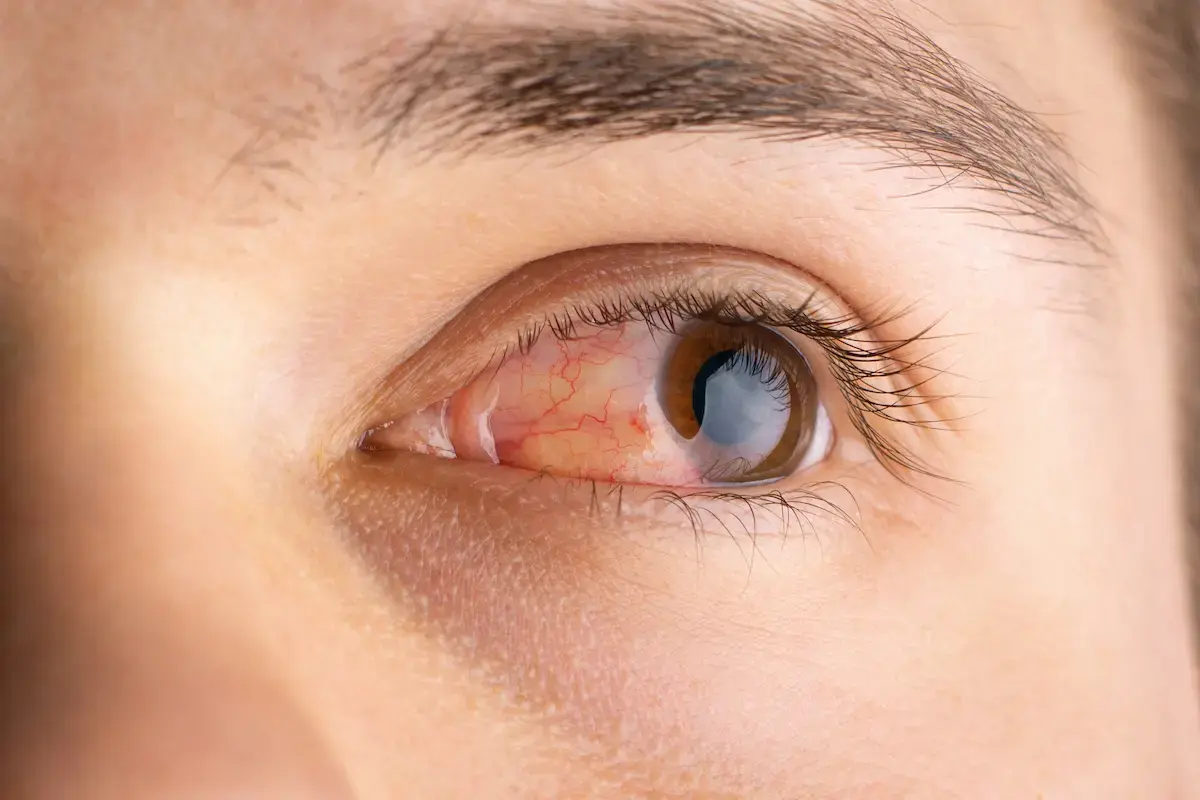
Optic nerve damage, or optic neuropathy, is a condition that requires early intervention because it can have serious consequences for vision and may even lead to permanent blindness if not treated properly.
The optic nerve plays an important role in transmitting visual information from the eyes to the brain. When this nerve is damaged, your ability to see clearly is significantly impaired.
Symptoms of optic neuropathy can vary depending on the cause, but generally include sudden blurred vision, color perception disturbances, eye movement pain, and loss of the visual field.
A proper understanding can help you recognize symptoms of optic nerve damage early, thereby minimizing the risk of complications. To that end, let’s explore the details in this article.
Causes of Optic Nerve Damage
Both eyes function by transmitting visual signals to the brain via the optic nerves. These signals pass through a part of the brain called the optic chiasm, where nerve fibers cross over. If there is a disruption in this pathway, specific patterns of visual impairment will occur.
So, what are the signs of optic nerve damage that you need to know? Several factors can cause optic nerve damage, including inflammation, impaired blood flow, and injury. Here is a detailed explanation:
1. Inflammation (Optic Neuritis)
Optic neuritis is an inflammatory condition of the optic nerve that causes swelling and disrupts the transmission of visual signals to the brain.
This condition typically occurs in young adults and often affects one eye. Common symptoms include:
- Sudden blurred or decreased vision.
- Pain when moving the eyes.
- Color perception disturbances (colors appear faded or less vivid).
Optic neuritis is often associated with autoimmune diseases such as multiple sclerosis (MS). In mild cases, the condition may improve within a few weeks. However, a doctor may prescribe steroid therapy to accelerate recovery and reduce inflammation.
This condition clearly illustrates how inflammation can cause optic nerve damage requiring immediate attention.
2. Ischemic Optic Neuropathy
Ischemic optic neuropathy results from reduced blood flow to the optic nerve. Without a sufficient blood supply, nerve tissue can be damaged or even die permanently. Symptoms that may be experienced if you have this condition include:
- Temporary vision loss (amaurosis fugax), usually without pain.
- Partial loss of visual field.
- Episodes of temporary vision loss (amaurosis fugax).
This condition is more common in people over the age of 50 and is associated with diseases such as high blood pressure, diabetes, and vascular disease. This is a clear example of what happens when the optic nerve is damaged due to circulatory problems.
Treatment typically focuses on managing underlying conditions to prevent further damage.
3. Glaucoma
Glaucoma is one of the leading causes of optic nerve damage, often going unnoticed because it develops slowly. This condition results from increased intraocular pressure, which damages the optic nerve. Some important facts about glaucoma are:
- It often causes no symptoms in the early stages.
- It leads to gradual vision loss.
- It can result in permanent blindness.
Treatment for glaucoma, administered by a doctor, aims to lower eye pressure and includes:
- Specialized eye drops.
- Specialized oral medications.
- Laser therapy or surgery if necessary.
Understanding this condition can help many people realize what is happening once their vision has already worsened due to optic nerve damage.
Therefore, it is important to understand early on that glaucoma is one of the causes of optic nerve damage that often goes unnoticed.
4. Nutritional Deficiencies and Exposure to Toxic Substances
Deficiencies in certain nutrients, particularly vitamins B12, B1 (thiamine), and folic acid, can cause optic neuropathy. This condition typically develops gradually and affects both eyes. Symptoms include:
- Gradual vision loss.
- Color vision disturbances.
- The appearance of a blind spot in the center of the visual field.
Additionally, exposure to toxic substances such as excessive alcohol, methanol, or chemicals can also damage the optic nerve. To address this, the following are required:
- Dietary improvements.
- Vitamin supplementation.
- Avoiding toxic substances.
5. Head Injury
Head injuries can also cause damage to the optic nerve, a condition known as traumatic optic neuropathy. These injuries can result from accidents, blows, or other forms of trauma.
Physical injury is another example of a cause of optic nerve damage that can occur suddenly and requires immediate treatment. Possible symptoms include:
- Partial or total vision loss.
- Blurred vision.
- Color vision deficiency (CVD).
Diagnosis is typically made through an eye examination and imaging tests such as a CT scan or MRI. Treatment may include anti-inflammatory medication or surgery, depending on the severity of the injury.
By understanding the factors above, you can better understand the causes of optic nerve damage and take appropriate preventive measures before the condition worsens.
Can Optic Nerve Damage Heal?
Whether optic nerve damage can heal depends on its extent. Generally, optic nerves that have suffered severe damage cannot fully recover.
This is because nerve cells have limited regenerative capacity. If the nerve has already undergone atrophy (died), the lost vision is usually irreversible. However, there are a few key points to understand:
- Mild damage can still be managed to prevent it from worsening.
- Early intervention can slow the progression of the condition.
- In some cases, vision may improve slightly.
Therefore, early detection is crucial in preventing more severe consequences. This also addresses the critical question of what happens when the optic nerve is damaged, namely, permanent vision loss.
Understanding early on whether optic nerve damage can be reversed will help you stay aware and seek medical treatment right away before the damage becomes permanent.
For proper treatment, you may consider the Neuro-Ophthalmology services at JEC Eye Hospitals and Clinics. This service addresses various vision disorders related to the nervous system, including the optic nerve, brain, and eye movements.
With the support of experienced specialists, modern technology, and comprehensive facilities at JEC Eye Hospitals and Clinics, you will receive a diagnosis and treatment tailored to the underlying cause of your optic nerve damage.
For fast and accurate treatment that helps preserve your vision and prevent further damage, visit JEC Eye Hospitals and Clinics.
