


 INA
INA
Safe and Effective Selection of Eye Drops for Kids
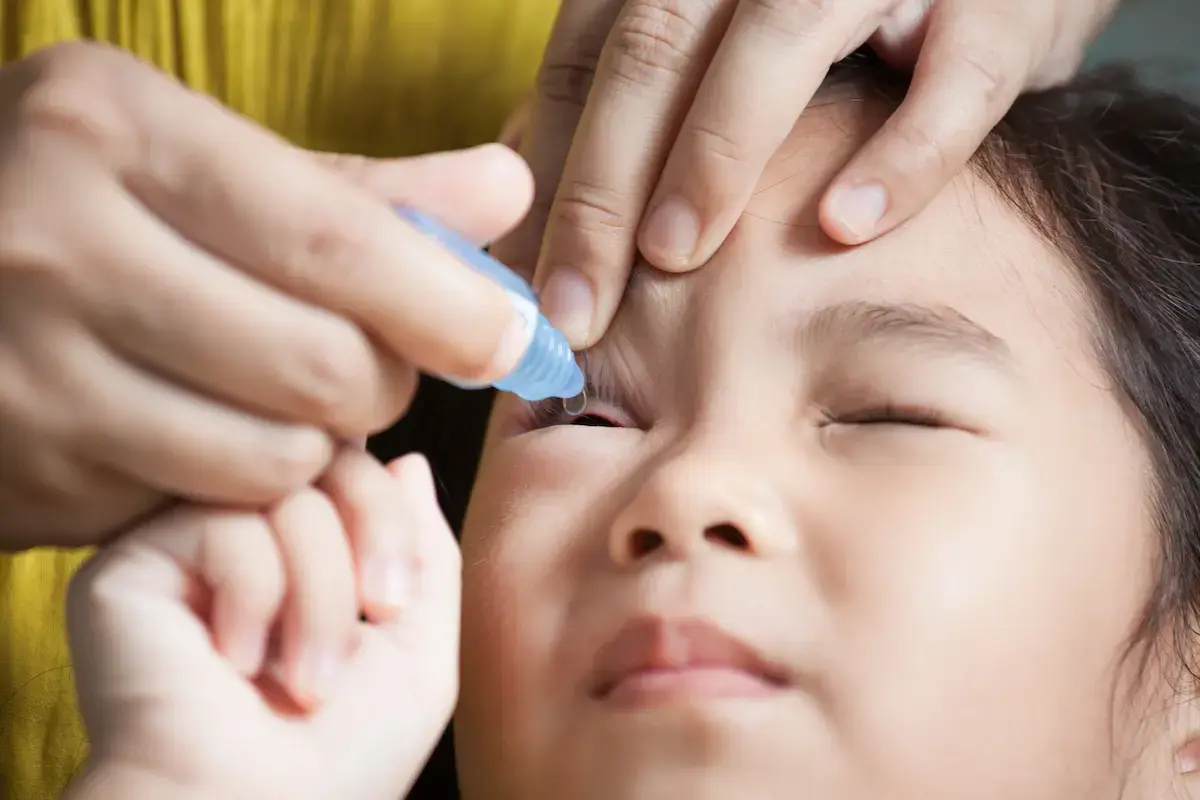
Eye problems in kids can result from various factors, including infections, allergies, and irritation from dust and debris. This condition is often marked by a red, watery eye, eye mucus, or itching that makes the kids feel uncomfortable. As a parent, it is important to understand treatment guidelines for proper use.
Choosing eye medicine for kids, especially eye drops, should not be taken lightly, as it must be tailored to the underlying cause and the child’s condition. Explore the following article to learn more about the different types of eye drops and their usage guide.
Types of Eye Drops for Kids
There are various types of eye drops for kids, depending on the underlying cause and symptoms. Here are several common types of eye drops for kids that you should know:
1. Lubricating Drops
Lubricating drops, also known as artificial tears, are used to help maintain moisture in the child’s eye when experiencing dry eyes or mild irritation. This eye drop works by replacing or supplementing the natural tear layer, helping to make them more comfortable.
Dry eyes in kids can be triggered by various factors, such as prolonged screen time, staying in an AC room, and exposure to dust and wind. The symptoms include stinging sensations, dry eyes, and occasional blurred vision.
Since the effects are temporary, this eye drop is typically used several times a day as needed. However, always ensure its use follows the instructions for optimal and safe results.
2. Antiallergy Eye Drops
Antiallergy eye drops are used to relieve symptoms of eye problems caused by allergic reactions, such as itching, redness, and watery discharge. This type of eye drop works by blocking allergy triggers, helping reduce the symptoms.
Several types of anti-allergy eye drops are commonly used, including antihistamines, mast cell stabilizers, and a combination of both. In more severe cases, the doctor may prescribe additional medications, such as steroids or anti-inflammatory drugs, to help relieve discomfort.
3. Antibiotic Eye Drops
When a child develops a bacterial eye infection, such as conjunctivitis, antibiotic eye drops can be an effective treatment. This eye drop works by inhibiting the growth, or even killing, the bacteria causing the infection, allowing symptoms to gradually improve.
However, not all cases of eye problems in kids require antibiotics, as some conditions can resolve on their own. The doctor may also recommend eye ointment for kids because it is more long-lasting than eye drops.
Choosing an antibiotic eye drop is typically tailored to the specific bacteria causing the infection. Therefore, this type of eye drop should be used based on a doctor's recommendation for optimal and safe results.
4. Steroid Eye Drops
In cases of eye inflammation, such as redness, swelling, and pain, steroid eye drops can help relieve these symptoms. This eye drop works by suppressing an overactive immune response, helping to reduce the symptoms effectively.
The use of steroid eye drops is adjusted based on the location of the inflammation. Some work on the surface of the eye, while others can penetrate deeper to treat inflammation inside the eye.
Since it is classified as a strong medication, steroid eye drops for kids must be used only with a doctor’s prescription and supervision. Improper use can lead to side effects, such as increased eye pressure or a higher risk of infection.
5. Cycloplegic Eye Drops
Cycloplegic eye drops work by relaxing the eye’s focusing muscles, preventing the eyes from changing focus. This eye drop is often used during eye examinations to help the doctor obtain accurate results when determining a child’s eyeglass prescription.
Additionally, cycloplegic is also used when the doctor needs to evaluate certain conditions, such as crossed eyes (strabismus), lazy eye (amblyopia), and refractive problems, such as serta myopia and hypermetropia.
Due to its strong effects, this eye drop should not be used carelessly, as it can cause blurred near vision and increased light sensitivity. The dosage and duration of use must be tailored to the child’s condition and follow a doctor’s recommendation to ensure safety and effectiveness.
6. Anesthetic Eye Drops
Anesthetic eye drops are used to numb the surface of the eye, helping reduce pain. This eye drop is commonly used during medical procedures, such as removing a foreign object from the eye or measuring eye pressure. It is not intended for home use and can only be administered by medical professionals.
How to Use Eye Drops in Kids
Kids’ eye drops should be used carefully to ensure safety and optimal results. Here are the steps you can follow:
- Wash your hands thoroughly before starting it.
- Lie your child on their back with their head supported.
- Gently pull down the lower eyelid to form a small pocket.
- Apply one drop into the eye pocket.
- Avoid touching the tip of the bottle to the eye or eyelashes.
- Gently press the inner corner of the eye near the nose for about 1 minute.
- Wipe away any excess liquid with a clean tissue to keep the eye area hygienic.
How to Choose Safe Eye Drops for Kids
Choosing an eye drop for kids should be done carefully, as the child’s eye is more sensitive than that of adults. You need to ensure the medications used match their specific needs to keep it safe and effective. Here are some tips to consider:
1. Adjust the Medication to the Underlying Cause and Symptoms
Make sure to identify the underlying cause of eye problems in kids, whether it is due to an infection, allergy, or irritation. Each cause requires a different type of kid’s eye medicine for proper treatment. By matching medications to the underlying cause, the risk of misuse can be minimized.
2. Check the Ingredients and Safety of Medication
Always check the ingredients of your eye drops before using any medication to ensure your kids' safety. Avoid products that contain strong or potentially harsh substances unless recommended by a doctor. Additionally, make sure the medication is officially approved and properly regulated to guarantee its quality and safety.
3. Consult a Doctor
It is recommended to consult a doctor before giving eye drops to your child. Medical examination helps ensure an accurate diagnosis and the appropriate treatment. Therefore, you can minimize the risk of side effects and support a faster recovery.
That concludes the explanation of eye drops for kids, from the different types and their proper use. Having a good understanding can help you to provide safe treatment and prevent the child’s eye from worsening.
However, you should remain cautious if the symptoms persist, worsen, or are accompanied by other symptoms such as severe pain and vision problems. In this condition, it is advisable to consult an eye specialist to receive an accurate diagnosis and appropriate treatment.
For comprehensive treatment, you can trust the child’s eye health to the Kids Eye & Strabismus Center in JEC, specifically designed to treat eye problems in infants and kids.
All examinations at JEC Eye Hospitals and Clinics are conducted by experienced specialists and supported by modern technology. Each treatment plan is tailored to the child’s specific needs and conditions.
