


 INA
INA
Red Eye on One Side: Is It a Sign of Serious Illness?
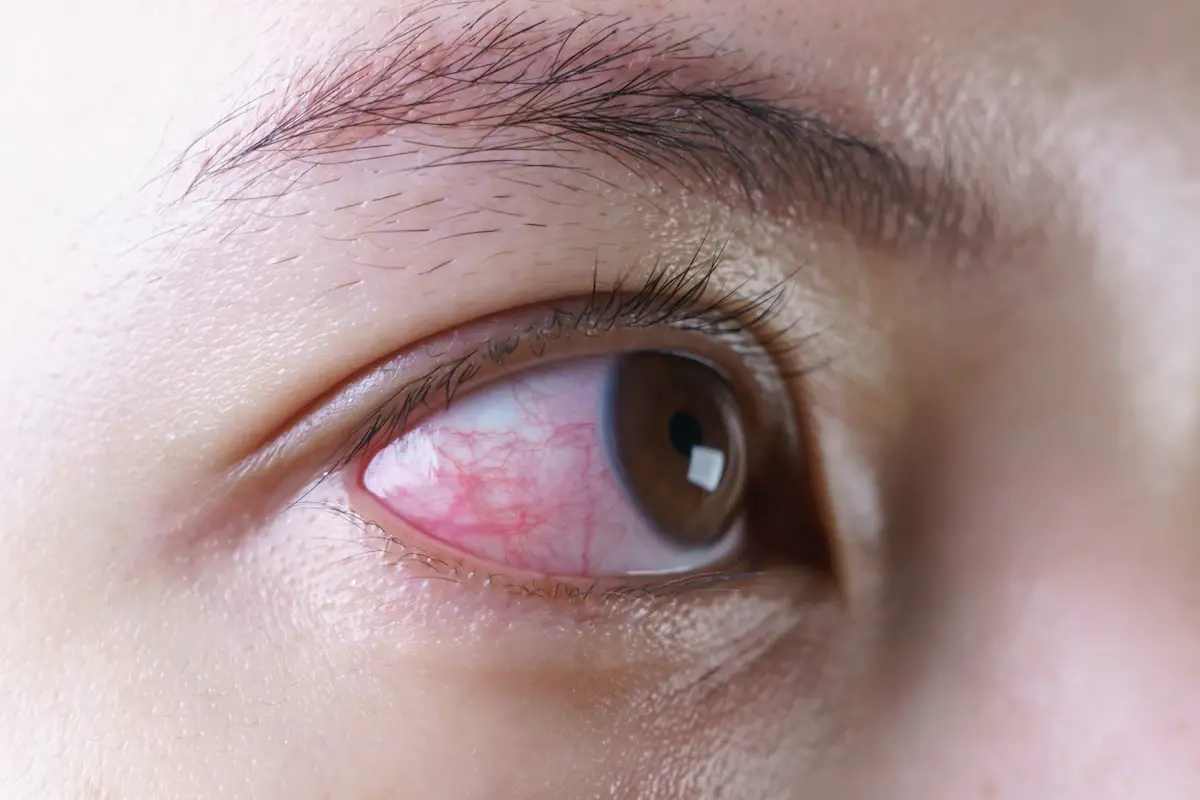
A red eye on one side can often be a cause for concern, especially if it appears suddenly or is accompanied by discomfort. This condition can be caused by a variety of factors, ranging from mild irritation to specific infections or inflammation.
Although a red eye on one side is sometimes harmless, it can also be a sign of a condition that requires attention. Therefore, it is important to recognize the causes and accompanying symptoms to determine the appropriate course of action. Read more below.
What Causes a Red Eye on One Side?
A red eye on one side can be triggered by various factors, ranging from mild issues to those requiring medical attention. Here are some of them.
1. Subconjunctival Hemorrhage
The first cause of a red eye on one side of the eyeball is a subconjunctival hemorrhage, a condition where small blood vessels in the white part of the eye rupture. The blood that escapes then becomes trapped beneath the eye’s surface, creating a bright red spot that is quite noticeable.
Symptoms typically include a bright red area on the eye and a sensation of something sticking or feeling slightly rough on the eye surface. Although it may look worrisome, subconjunctival hemorrhage is generally harmless and rarely causes pain.
This bleeding also does not cause any loss of visual acuity. Treatment for this condition generally does not require specific medication and will resolve on its own within 1–2 weeks. Treatment focuses on comfort, such as using artificial tears to relieve irritation. Also, avoid rubbing your eyes to prevent further bleeding.
2. Dry Eyes
Dry eyes occur when the quality or quantity of tears is insufficient to maintain the moisture of the eye’s surface. In some cases, tears may evaporate too quickly or not be produced in sufficient quantities, making the eyes easily irritated.
Besides a red eye, other symptoms that typically accompany dry eye include:
- A gritty or foreign body sensation.
- A burning sensation.
- Blurred vision.
- Heavy eyelids.
- Eyes that tire easily.
Before diagnosing dry eye, the doctor conducts a series of medical interviews and several diagnostic tests. As for treatment, dry eye requires long-term therapy due to its chronic nature.
Treatment options include artificial tears, medications, and procedures such as blocking the tear ducts to prevent fluid from draining and keep the eyes moist.
3. Conjunctivitis
Conjunctivitis is an inflammation of the thin membrane lining the white part of the eye and the inner eyelids, which can cause red eye on one side.
The causes vary, ranging from virus or bacterial infections to allergic reactions or exposure to certain irritants. In some cases, the condition initially affects only one eye before eventually spreading to the other.
In addition to redness, conjunctivitis is usually accompanied by other symptoms, such as itching, watery eyes, and discharge that can make the eyelids sticky, especially after sleeping.
Treatment for a red eye caused by conjunctivitis depends on the cause. If it is caused by bacterial infections, the treatment generally requires prescription eye drops from a doctor.
Conjunctivitis caused by viruses or allergies is often managed with supportive care, such as warm or cold compresses, regular cleaning of eye discharge, and artificial tears.
4. Foreign Particles or Injury
Foreign particles entering the eye or eye injuries can also cause redness in one eye. Small objects, such as dust or eyelashes, that enter the eye can scratch the eye’s surface, triggering irritation and leading to redness, discomfort, and watery eyes.
In cases of injury, such as a bump, scratch, or chemical exposure, the body responds by increasing blood flow to the affected area. This causes the blood vessels in the eye to dilate, making the eye appear red.
In addition to redness, this condition is often accompanied by other symptoms, such as pain, eyelid swelling, and even a decline in vision. If the injury is severe enough and not treated promptly, there is also a risk of more permanent damage to the eye.
5. Contact Lens Use
Improper use of contact lenses can also cause a headache and red eye on one side. For example, wearing them for too long, not cleaning them properly, or keeping them in while sleeping can irritate the eye’s surface.
Additionally, poor contact lens hygiene can increase the risk of infection and other eye problems. Therefore, it is important to always follow usage guidelines and maintain contact lens hygiene to ensure eye health.
What Should You Do If You Have a Red Eye?
If a red eye is not accompanied by pain, vision problems, or general discomfort, then it is generally harmless and will usually improve on its own within a few days.
During the recovery process, you should avoid touching or rubbing your eye, as this can worsen the condition. Additionally, you should temporarily stop wearing contact lenses until your eye has fully returned to normal.
When Should You See a Doctor?
A red eye is often harmless, but under certain circumstances, it requires immediate examination by an ophthalmologist. You are advised to seek medical attention if the redness is accompanied by the following symptoms:
- Severe pain or a throbbing sensation in the eye.
- Sudden blurred or decreased visual acuity.
- The eye feels very sensitive to light (photophobia).
- Excessive fluid discharge from the eye.
Additionally, a history of eye conditions, such as glaucoma, or a history of eye surgery are important reason not to delay seeking medical attention. These symptoms may indicate more serious conditions, such as inflammation of the inner eye, corneal infection, or a sudden increase in intraocular pressure.
Prompt and appropriate treatment is essential to prevent complications and maintain optimal vision function. For this reason, you may consider the Eye Check service at JEC Eye Hospitals and Clinics as the first step toward obtaining an accurate diagnosis and appropriate treatment recommendations.
The doctor will conduct a comprehensive evaluation, from examining the condition of the eye’s surface and visual acuity to measuring intraocular pressure, to determine the cause of the redness in one eye. Let’s take care of your eye health with JEC so you can follow your daily routine comfortably.
