


 INA
INA
Pachymetry: Understanding the Procedure and Test Results
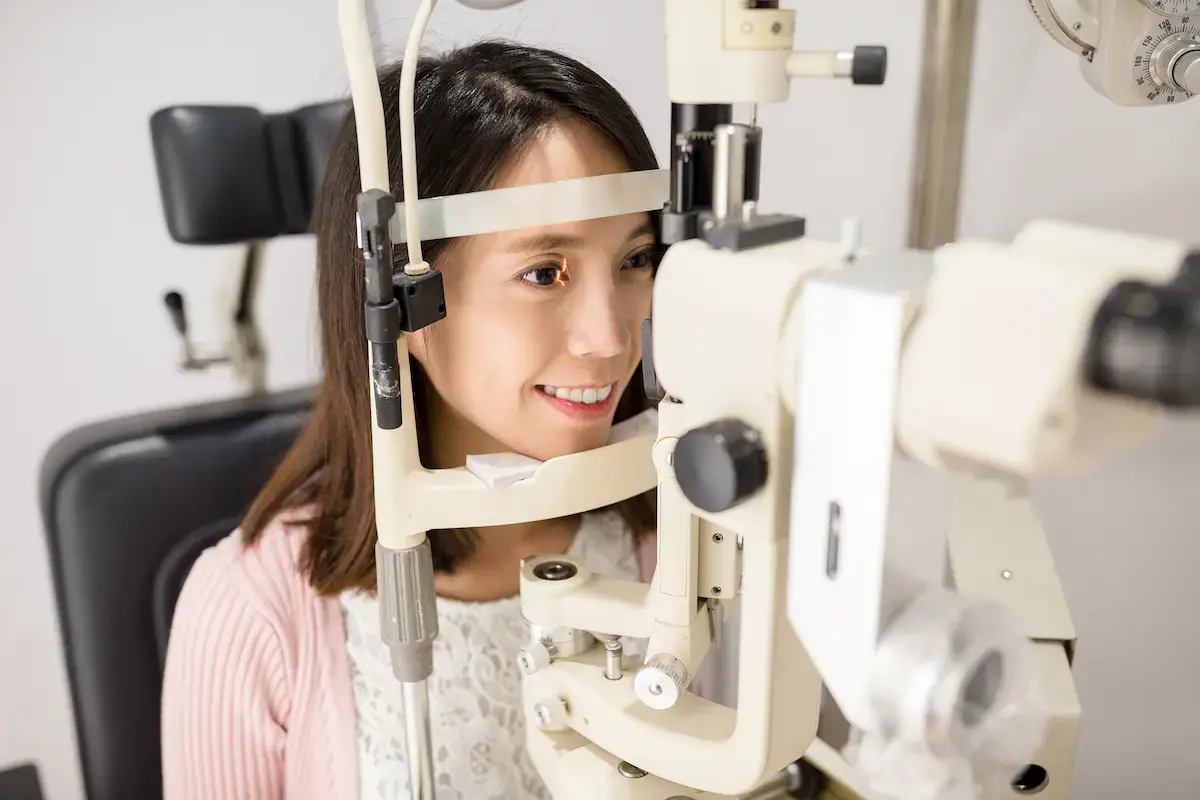
Pachymetry is an important eye health examination used to accurately measure corneal thickness.
Ophthalmologists often perform this examination to help diagnose conditions, including glaucoma and refractive errors, and to determine a patient’s eligibility for eye surgeries, such as LASIK.
By understanding the pachymetry meaning and its result, you can learn about the condition of your cornea and the potential risks of vision problems.
What Is Pachymetry?
Pachymetry is a medical test used to measure the thickness of the cornea, the clear, protective layer at the front of the eye that helps focus light onto the retina.
For your information, the cornea plays a major role in the visual system, accounting for about two-thirds of the eye’s total refractive power. Corneal examination via pachymetry is crucial because corneal thickness can influence diagnostic outcomes and treatment decisions.
This examination is often combined with other methods, such as corneal topography, which maps the corneal surface shape in detail.
In optometric and ophthalmic practice, pachymetry is an essential component for detecting eye disorders, particularly refractive errors such as myopia, hyperopia, and astigmatism.
Currently, in addition to wearing glasses or contact lenses, many patients prefer surgical procedures to correct their vision, making this examination increasingly necessary. Through a proper corneal examination, doctors can assess the condition of the eyes more comprehensively and accurately.
It is important to note that routine corneal examinations can help detect eye problems early on, before they develop into more serious conditions.
Conditions Requiring Pachymetry
Pachymetry is performed for various medical purposes, particularly those related to corneal health and intraocular pressure. Here are some conditions that require a pachymetry:
1. Refractive Errors
For patients planning to undergo vision correction surgery such as LASIK, pachymetry is an important initial examination. This examination aims to ensure that the cornea is sufficiently thick to perform the procedure safely.
2. Corneal Diseases
Several corneal diseases can be detected through pachymetry, allowing doctors to identify changes in thickness that may not be visible with routine examinations, including:
- Thinning of the cornea and protrusion forward (keratoconus).
- Corneal edema or swelling due to fluid buildup.
- Fuchs’ dystrophy, which affects the inner layer of the cornea.
3. Eye Injuries
Eye injuries can cause changes in the cornea's structure, including its thickness. Pachymetry helps evaluate these conditions to determine the appropriate treatment.
4. Glaucoma
Glaucoma is a condition characterized by increased intraocular pressure. Corneal thickness can affect the results of these pressure measurements, so pachymetry is often used as a supplementary test to improve diagnostic accuracy.
5. Evaluation of Tonometry Results
Tonometry is used to measure intraocular pressure. However, the results can be influenced by corneal thickness. Here, pachymetry helps provide a more accurate picture.
How Pachymetry Works
Generally, there are two main methods of pachymetry, namely optical and ultrasonic. Both share the objective of accurately measuring corneal thickness.
1. Optical Pachymetry
Optical pachymetry uses imaging technologies such as Optical Coherence Tomography (OCT) and does not require direct contact with the eye, making it more comfortable for the patient. Here is how it works:
- You will sit in front of a special tool.
- Your head and chin are positioned on some holders.
- The tool will take an image of the cornea without touching the eye.
2. Ultrasonic Pachymetry
In this method, the doctor uses a small instrument that directly touches the cornea. The ultrasonic pachymetry method is highly accurate and is frequently used in daily clinical practice. Here is how it works:
- Anesthetic eye drops are administered to eliminate any discomfort.
- The pachymetry device is placed on the cornea for a few seconds.
- Ultrasound waves are used to measure the thickness.
Pachymetry Procedure
The pachymetry procedure is quick and painless. Before the examination begins, the doctor gives you eye drops to reduce eye discomfort, especially during the ultrasound.
During the examination, you simply need to sit still. The doctor then takes measurements at the center of the cornea. This process usually takes about 1 minute per eye.
Most patients do not feel any pain during the procedure. However, if eye drops are used, vision may be temporarily slightly blurred.
Please note that patients undergoing pachymetry, along with pupil dilation, are advised not to drive by themselves after the procedure, as vision may still be impaired.
Pachymetry Results
Pachymetry test results are usually available immediately after the examination is complete. The doctor explains the results right away and what they mean for the patient’s eye condition. Generally, central corneal thickness falls within an average range of 530–550 micrometers, with significant individual variation depending on the measurement method and population characteristics.
However, these results are not absolute. The doctor also considers other factors, such as age, general health, and history of eye disease. Generally, the interpretation of the results is:
- Thin cornea: May increase the risk of errors in intraocular pressure measurements (appearing lower than actual) and increase the potential complications during refractive surgery.
- Thick cornea: May cause intraocular pressure measurements to appear higher than the actual condition.
If the pachymetry test results show abnormal values, the doctor determines the next steps, such as:
- Additional examinations.
- Routine monitoring.
- Adjustments to the eye surgery plan.
One risk that must be avoided is corneal ectasia, a condition in which the cornea bulges forward due to a weakened structure. This risk is a critical consideration, especially for patients undergoing refractive surgery. This is why pachymetry test results serve as a vital reference for determining the appropriate diagnosis and selecting the most appropriate treatment based on the eye’s condition.
Additionally, accurate pachymetry results help doctors minimize the potential complications, especially before eye surgery. Thus, pachymetry is not merely an additional examination but also a crucial component in maintaining overall eye health.
By undergoing this corneal examination, you can assess the condition of your eyes more accurately and prevent serious complications in the future. For those experiencing vision problems or seeking further examination, JEC Eye Hospitals and Clinics offers comprehensive Eye Check services.
The Eye Check service from JEC Eye Hospitals and Clinics provides examinations to detect vision abnormalities, including those without symptoms. Regular eye exams are recommended to help prevent vision problems early on. Therefore, trust JEC Eye Hospitals and Clinics with your eye care.
JEC Eye Hospitals and Clinics is an internationally accredited specialty eye hospital supported by experienced doctors, professional staff, and modern technology. Our comprehensive, high-quality services will provide you with optimal care to maintain your eye health.
